Introduction
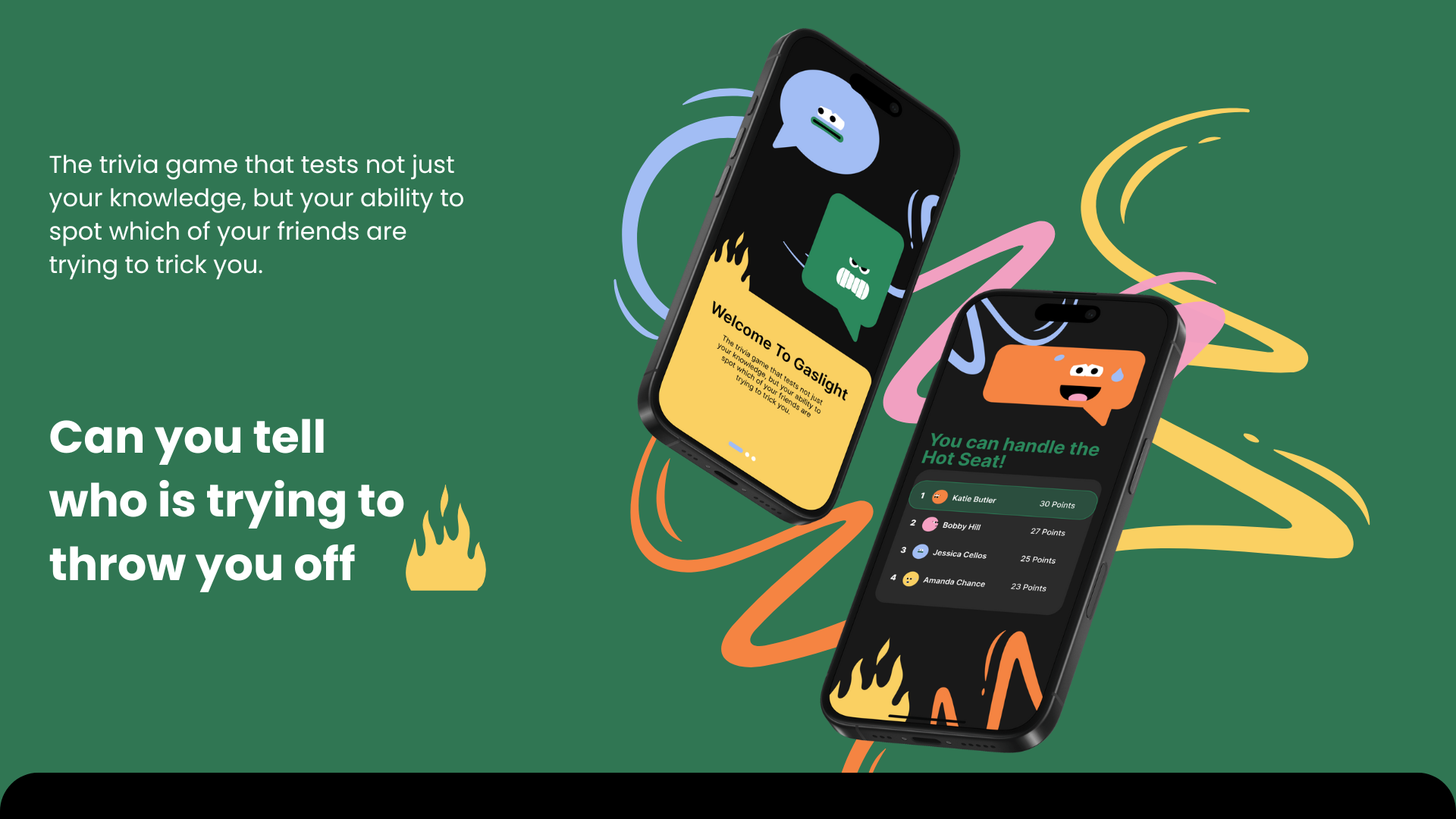
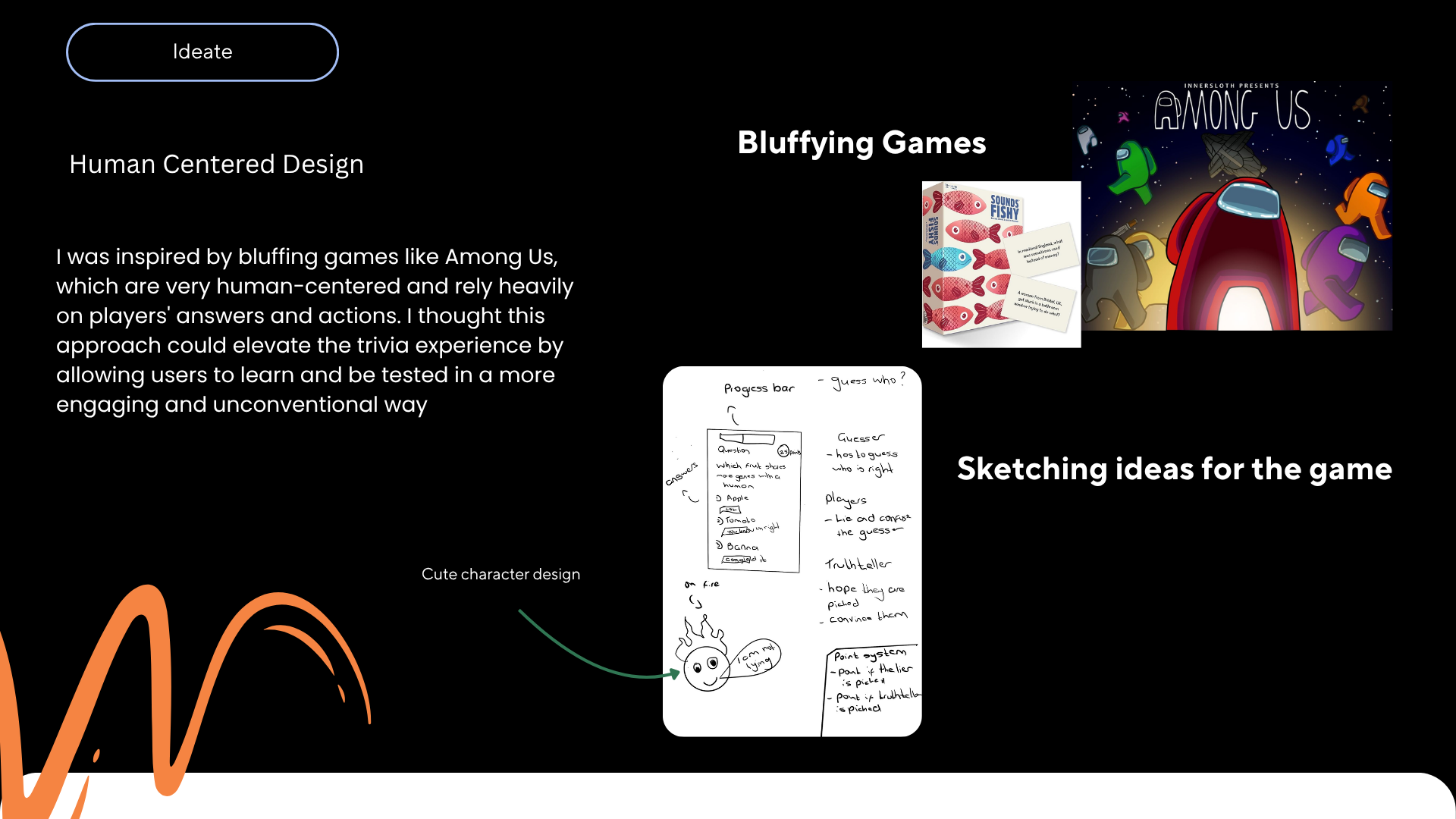
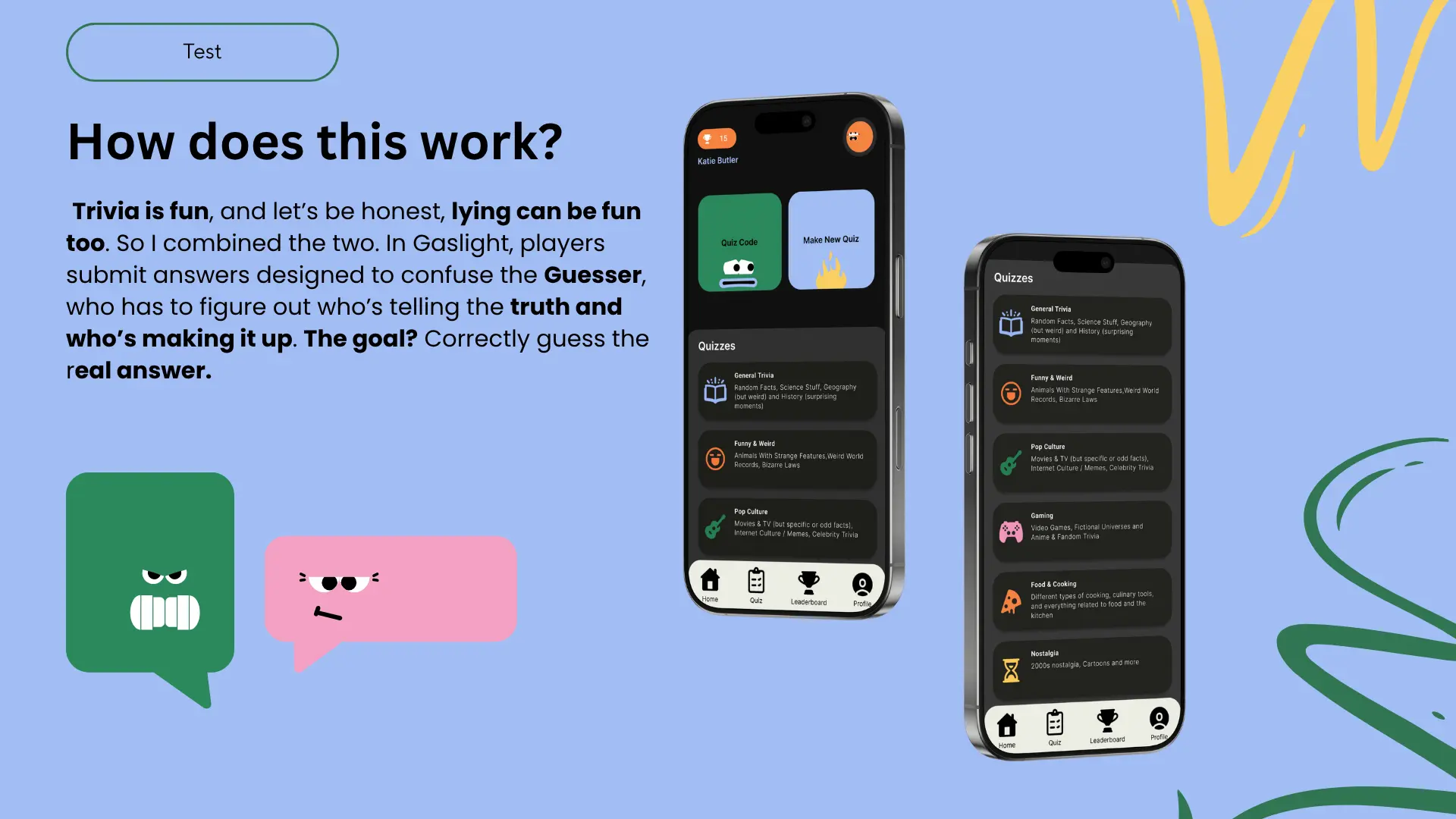
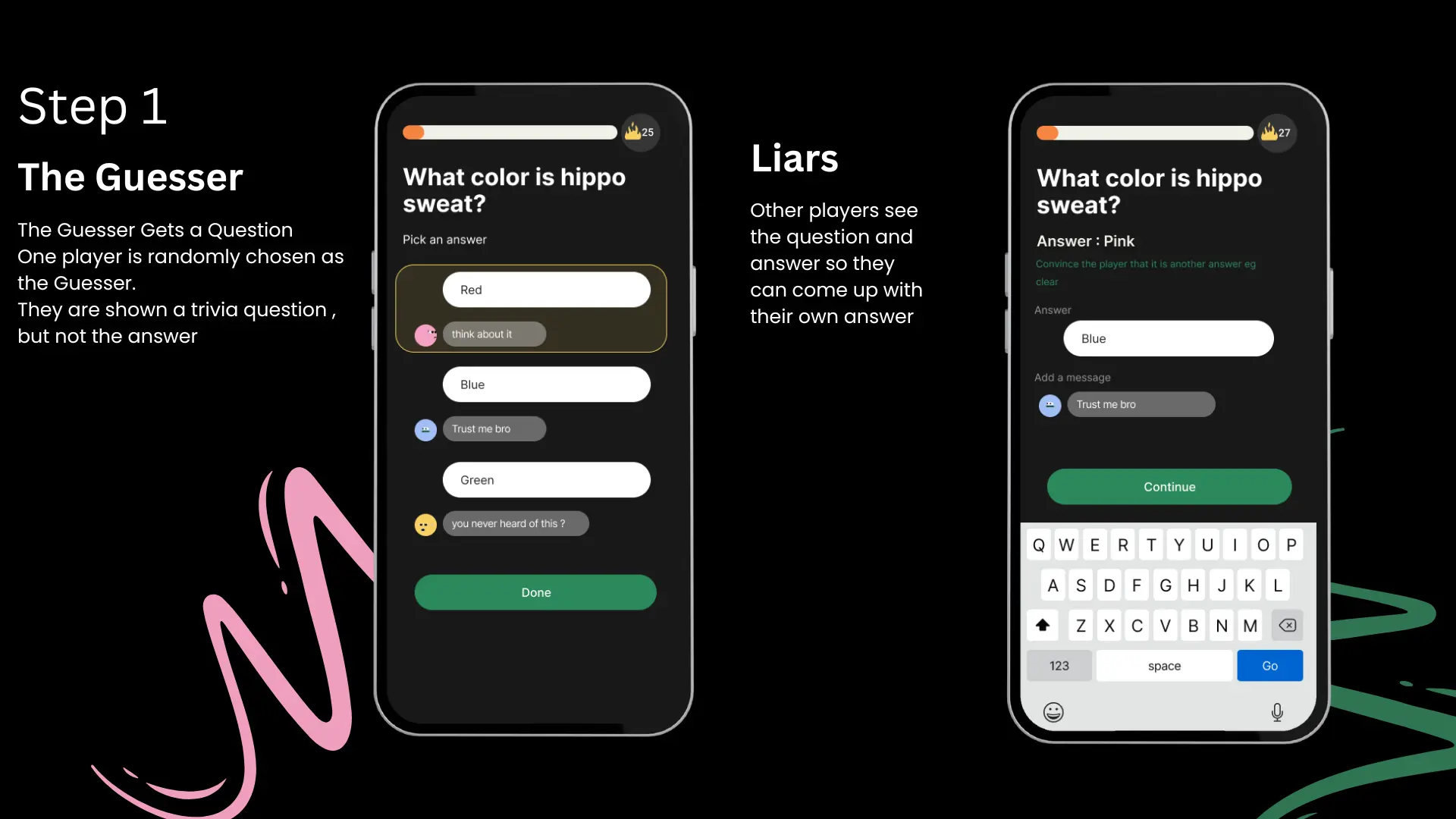
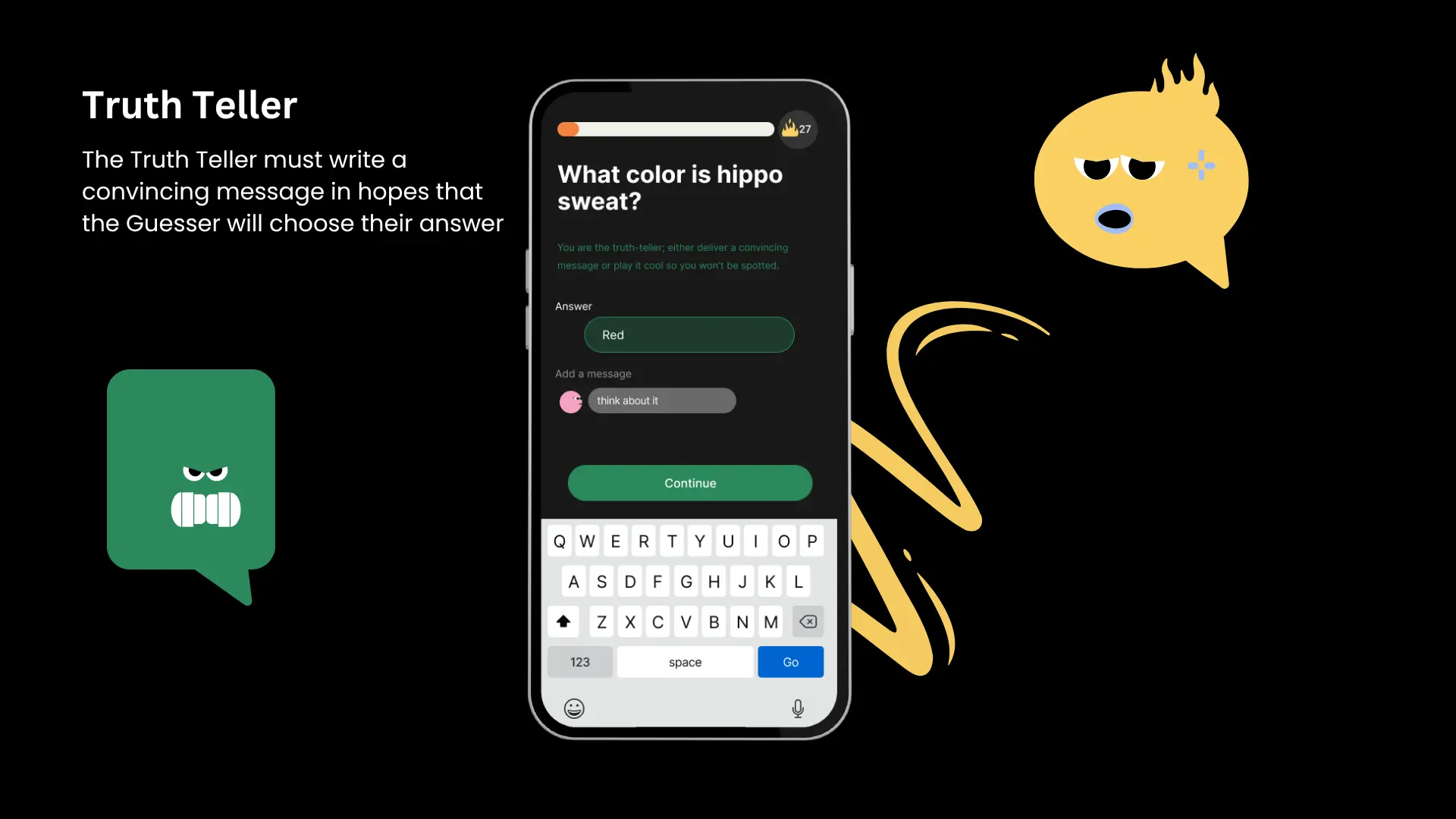
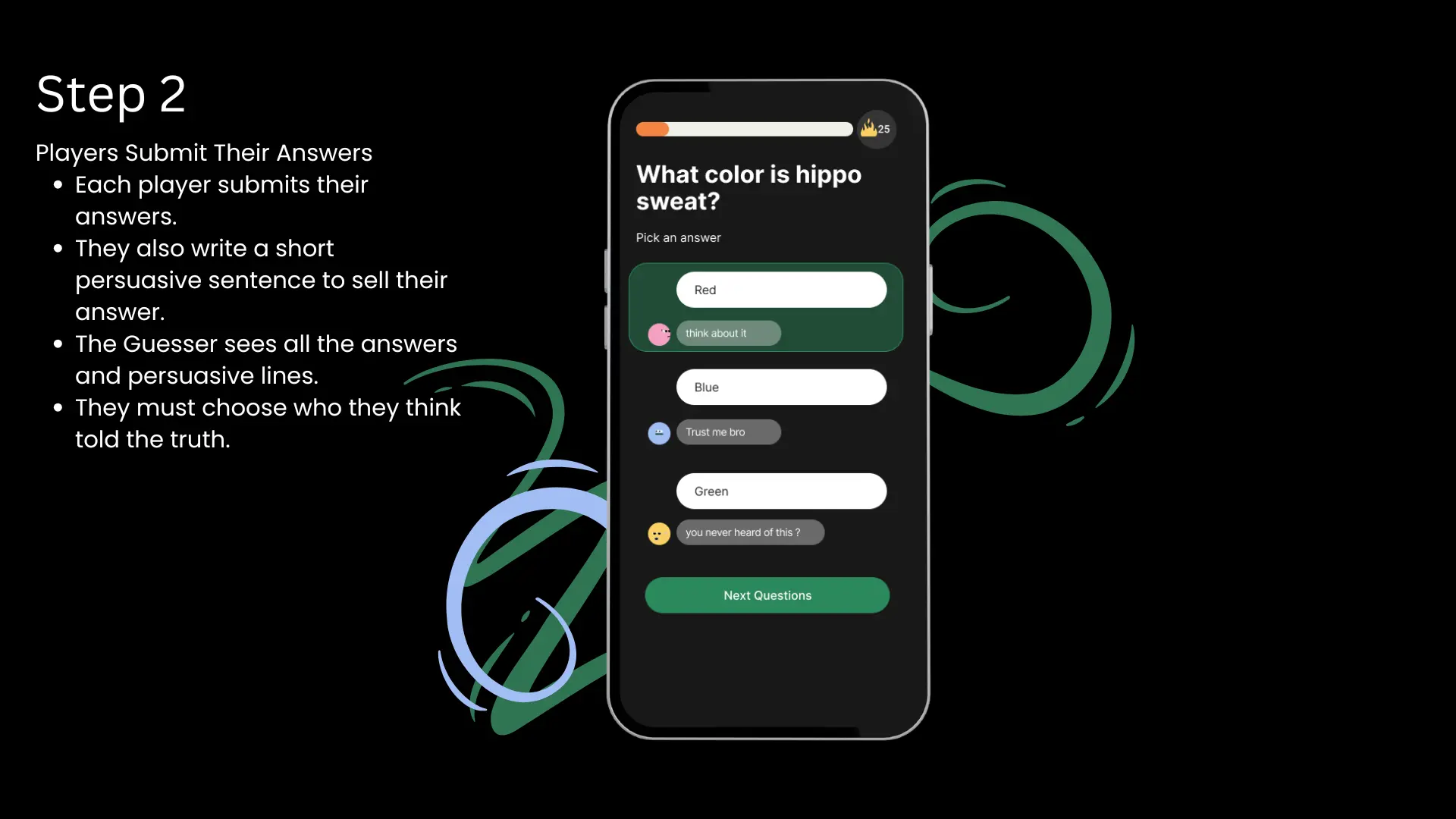
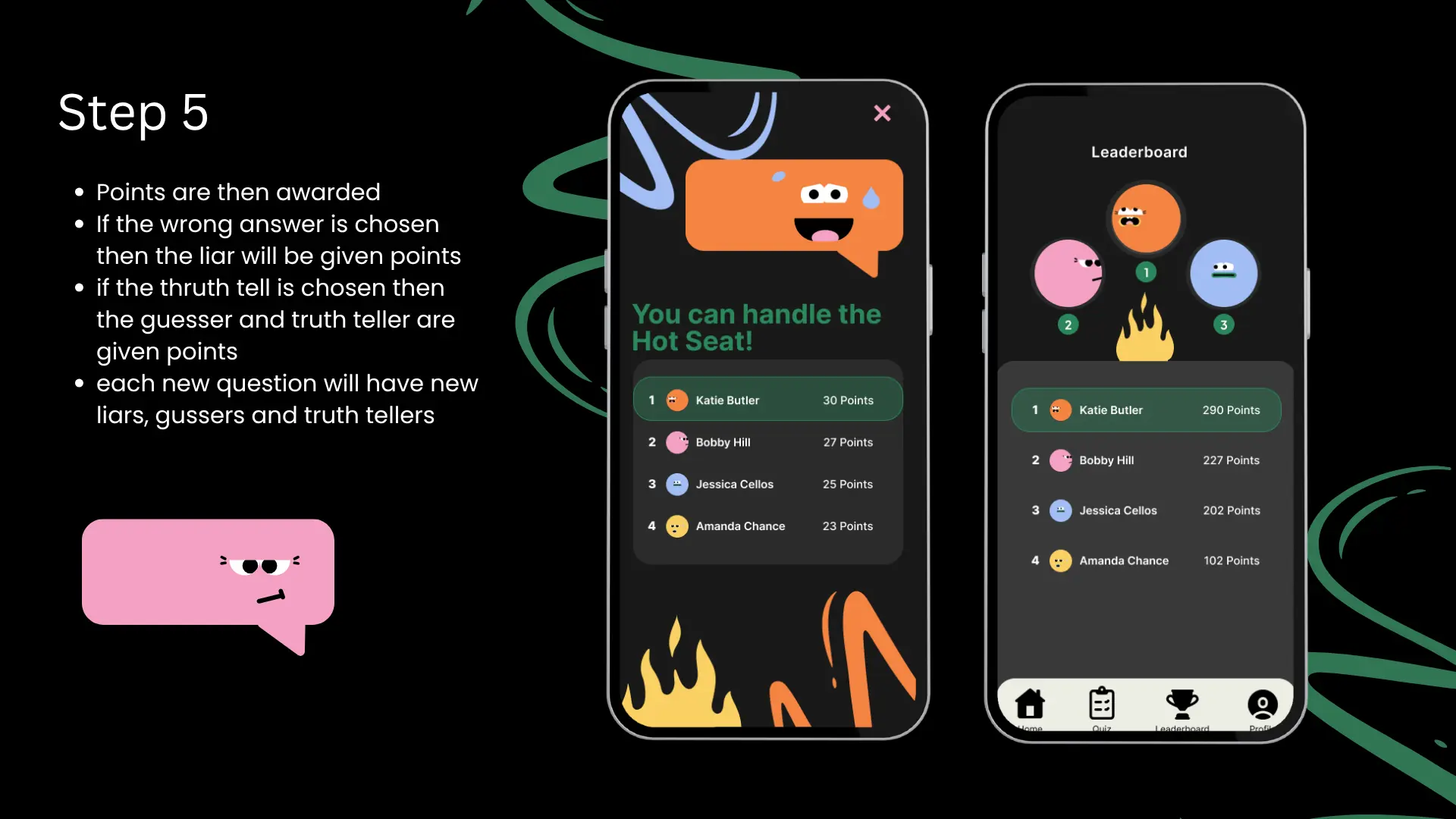
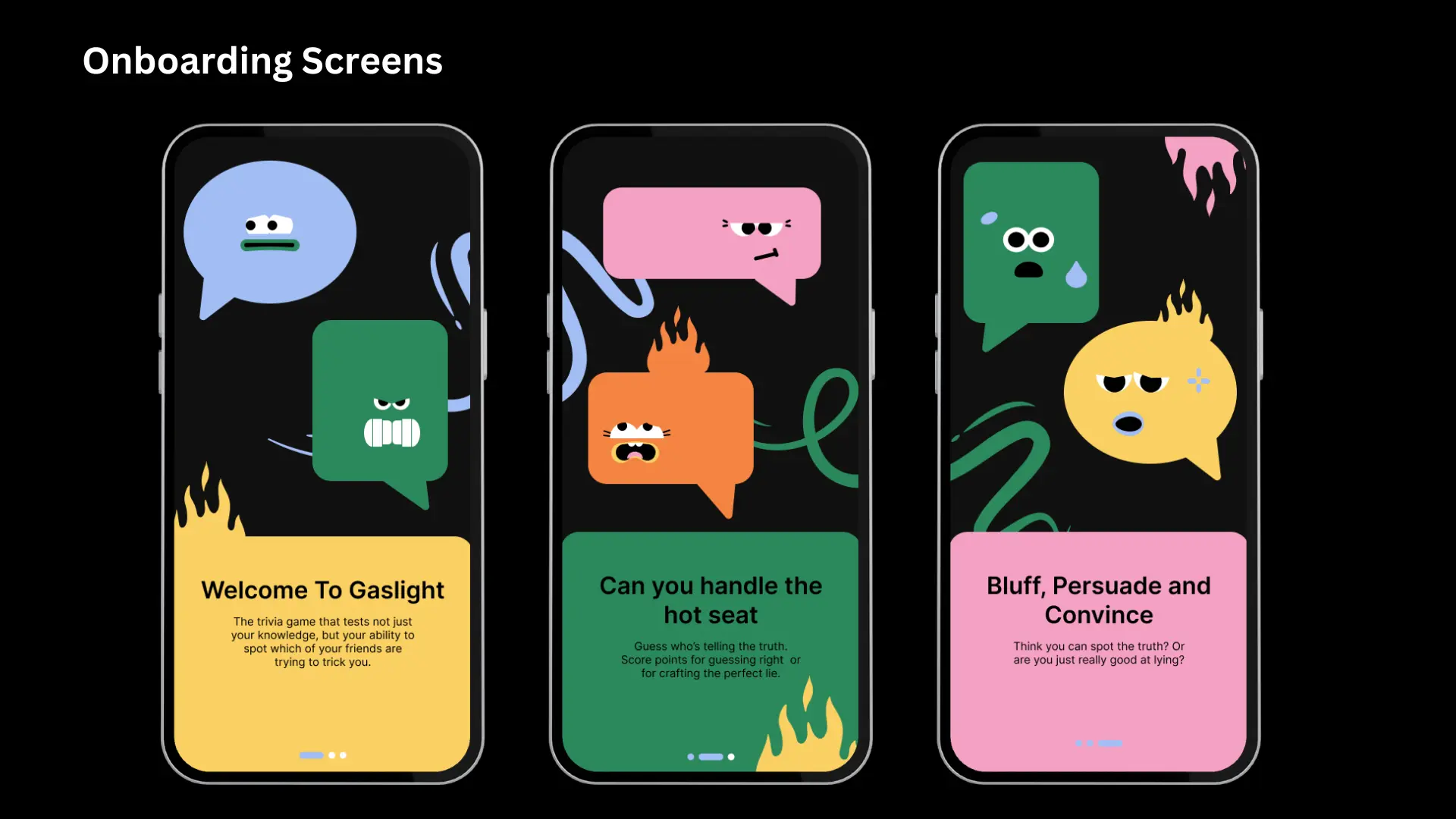
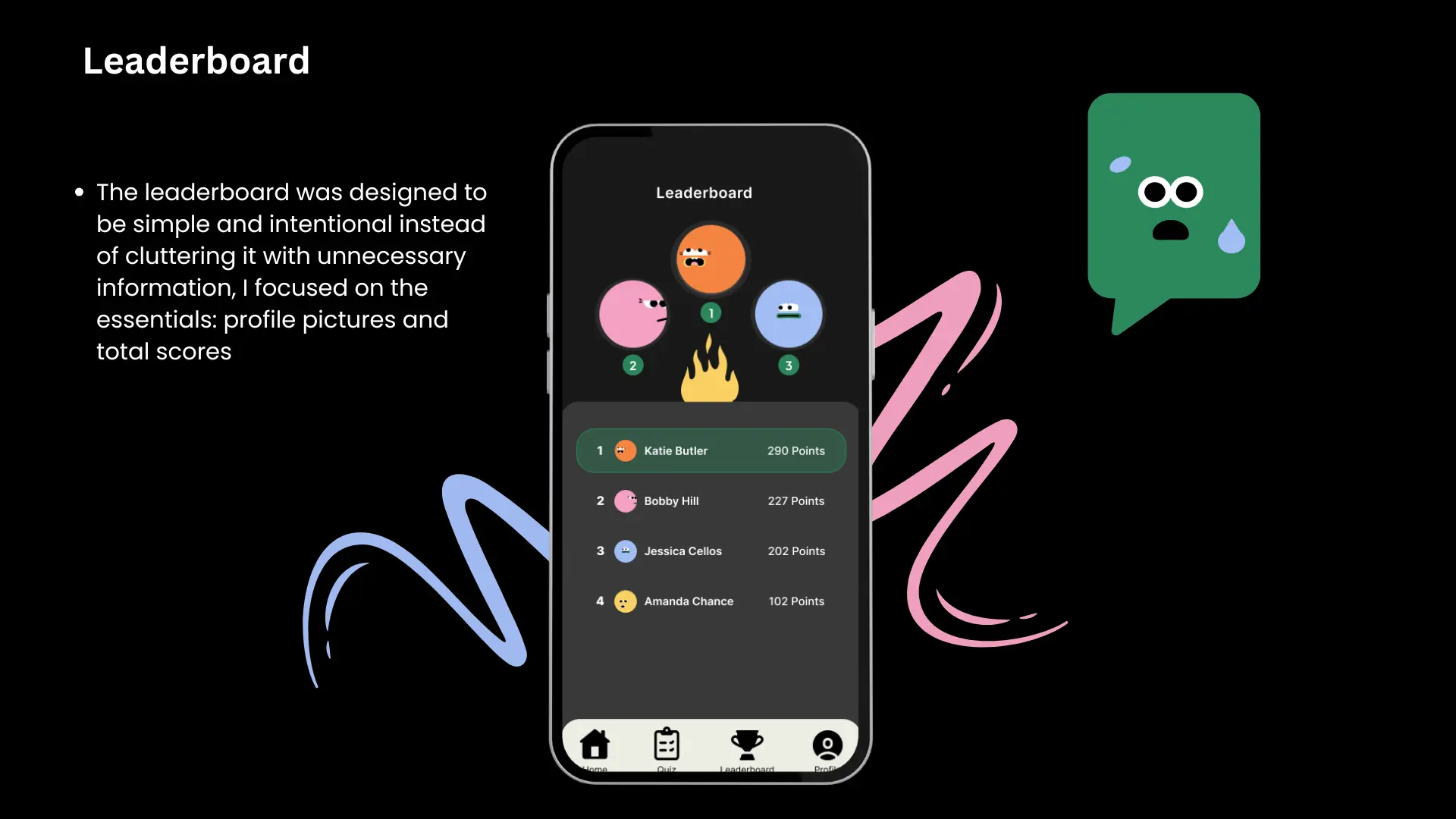
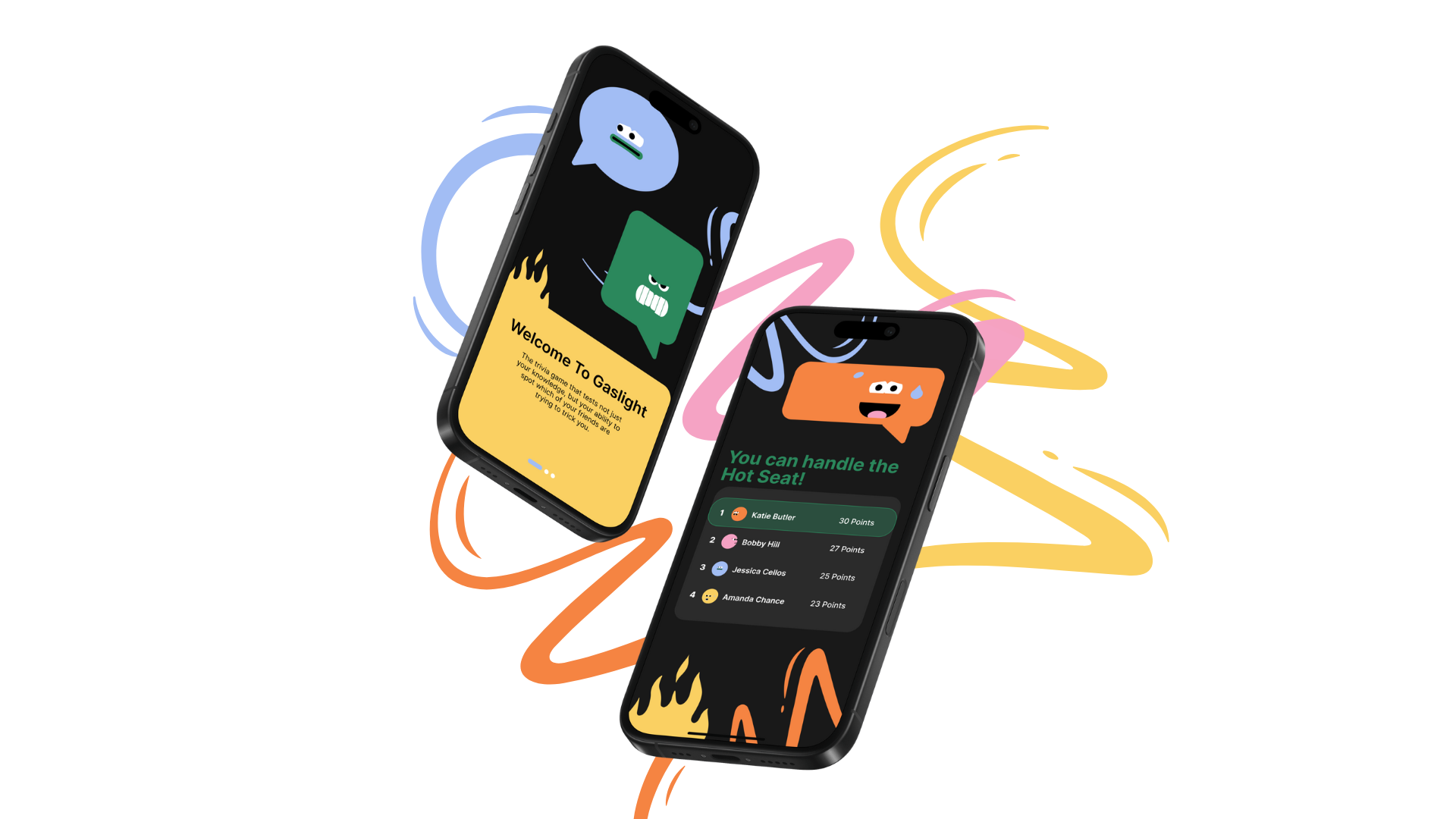
Gaslight is an interactive mobile party game designed for multiple players. It blends trivia with social deception, challenging users not only on their knowledge but also on their ability to spot when their friends are lying. Inspired by a mix of popular game formats, Gaslight uses bold, eye-catching colours, playful animations, and entertaining question topics to create a lively and engaging experience.
Context & Timeline
Role: UX/UI Designer & Interaction Designer
Timeline: July 2025
Objective: To design an engaging mobile game experience that combines trivia with social deception, supported by a clear and visually appealing UI. The goal was to create smooth, intuitive interactions that make multiplayer gameplay fun, fast-paced, and easy to learn.
Key Deliverables:
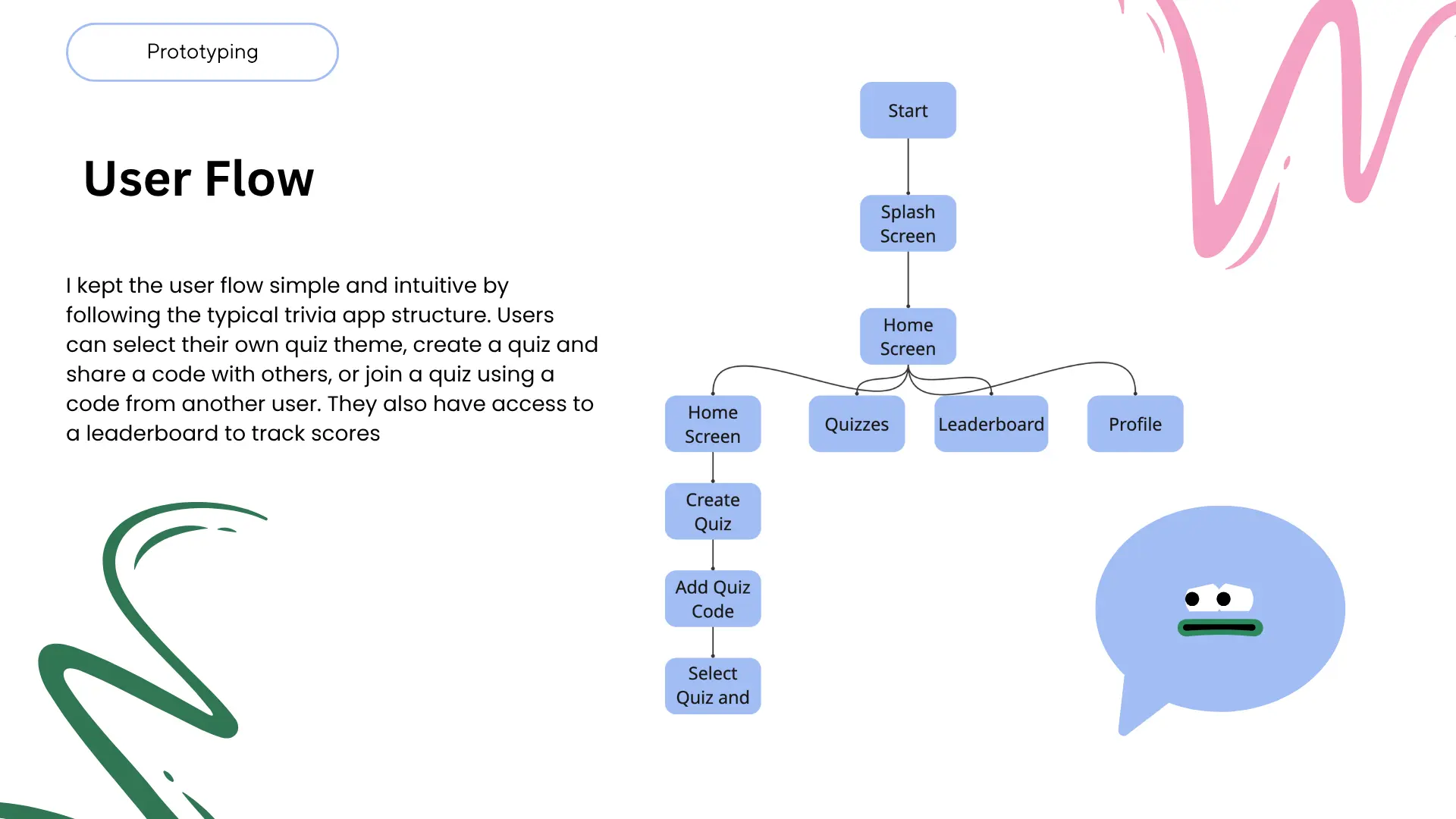
- Game flow diagrams
- Low-fidelity wireframes for screens and interactions
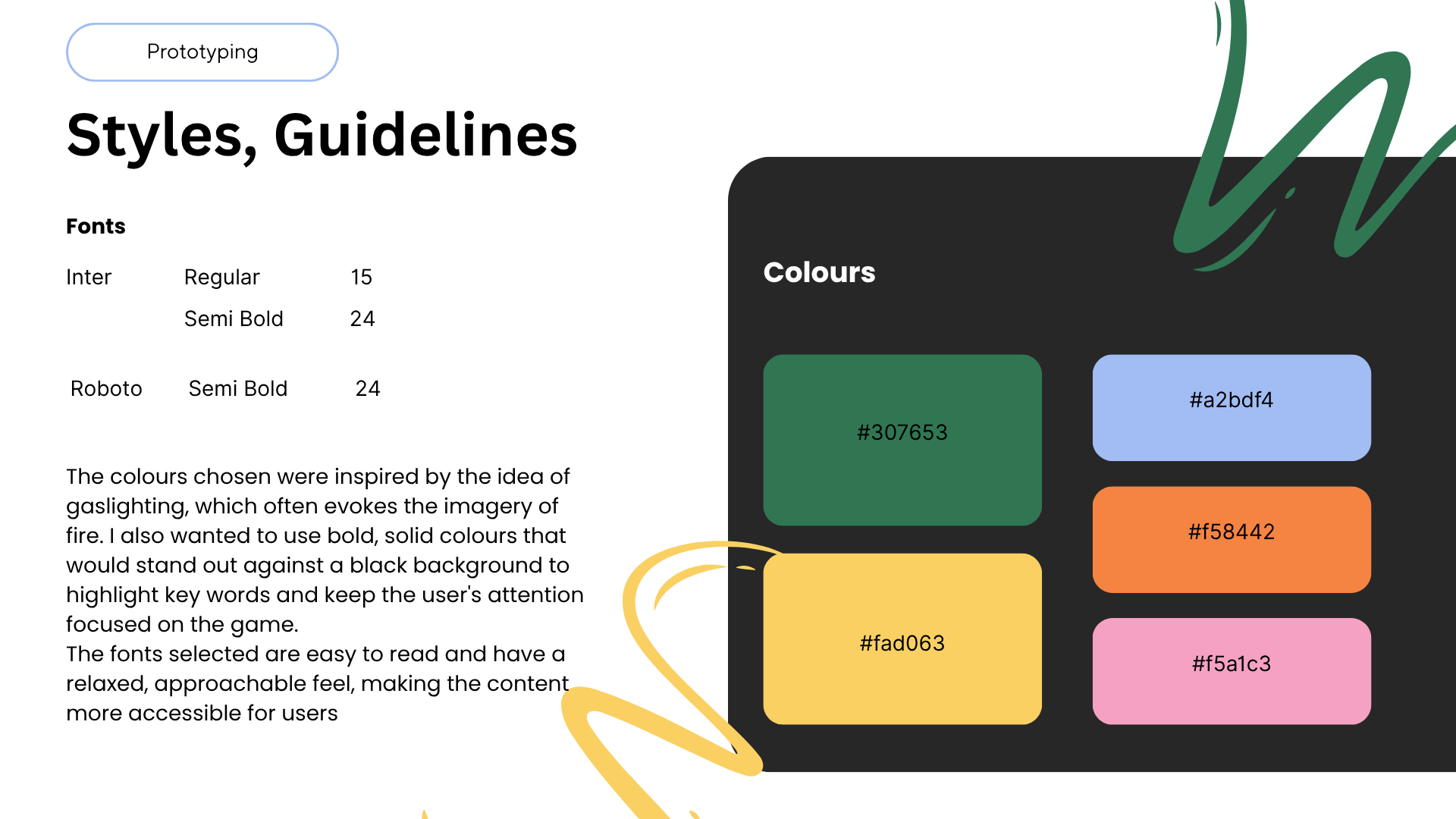
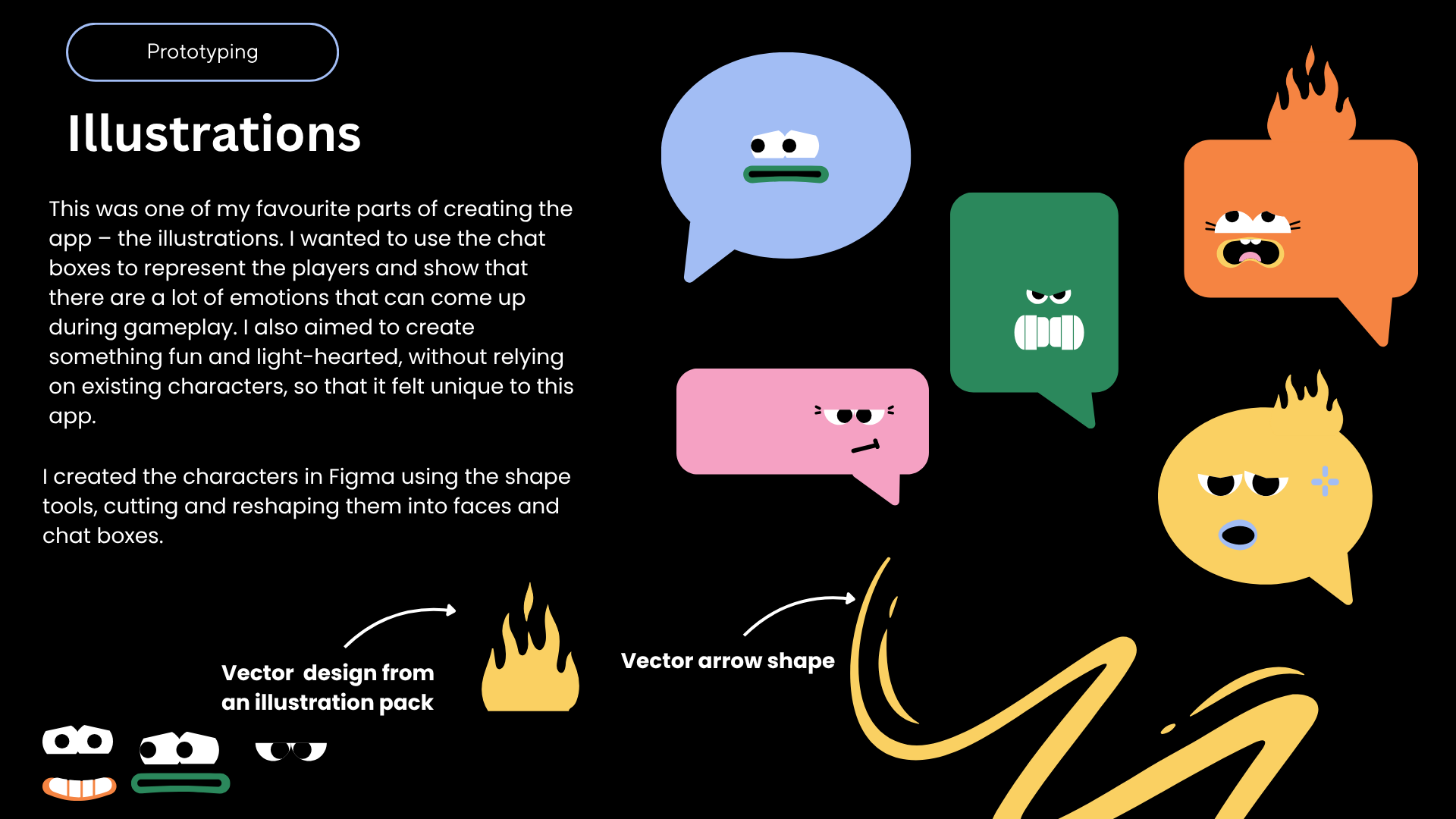
- High-fidelity UI designs (colour palette, typography, visual style)
- Interaction prototypes (animations, transitions, micro-interactions)
- Usability testing insights
- Final polished mobile game prototype
User research findings (player motivations, pain points, and gameplay expectations)